
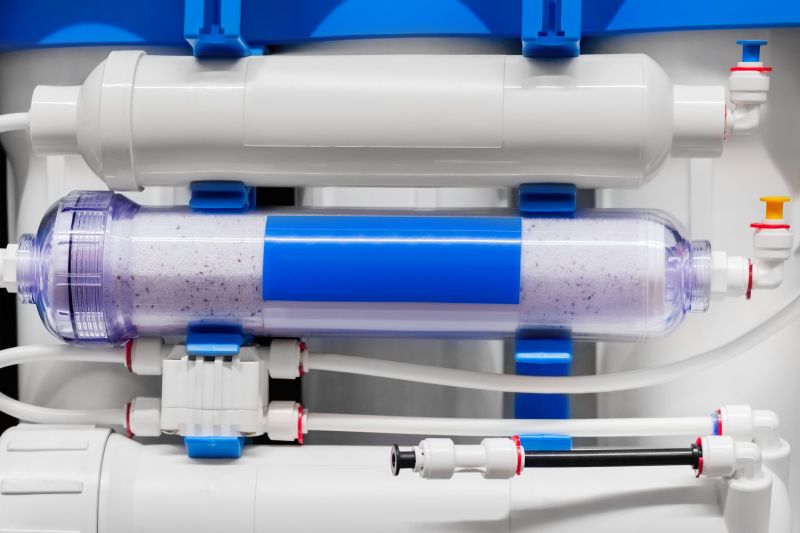
Carbon Filter Installation in Austin, TX
Carbon filter installation services provide a solution for homeowners seeking to improve indoor air quality by removing odors, chemicals, and pollutants from ventilation systems. These services typically involve installing specialized filters that use activated carbon to trap contaminants, making them suitable for projects such as upgrading existing HVAC systems, installing new air purification setups, or addressing specific odor issues in residential properties. Property owners often want to understand the scope of the installation process, the types of filters used, and how the system will integrate with current ventilation or air conditioning equipment.
Before requesting carbon filter installation, property owners should consider the size of the space, the nature of the odors or pollutants they wish to eliminate, and the compatibility of the filters with existing systems. It’s also helpful to inquire about maintenance requirements, such as filter replacement frequency, and whether additional ventilation adjustments are necessary for optimal performance. Clear communication about these details can ensure that the installation meets the specific needs of the home and results in improved indoor air quality.
Many property owners in Austin, TX look into Carbon Filter Installation for repairs, replacements, upgrades, and appearance-related improvements.
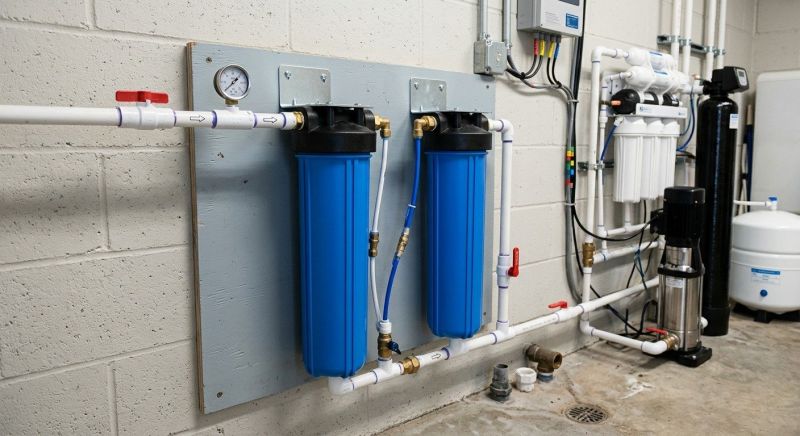
Benefits Of Carbon Filter Installation
Improves indoor air quality by reducing odors and airborne contaminants.
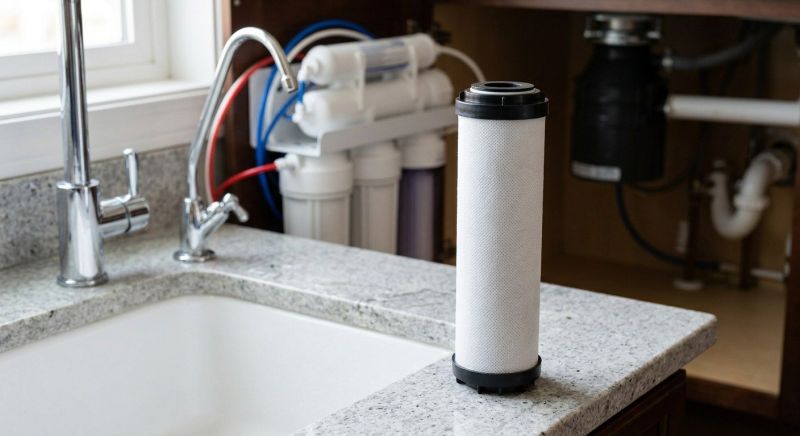
Common Applications
Ideal for residential homes, commercial spaces, and hvac systems in austin and nearby areas.
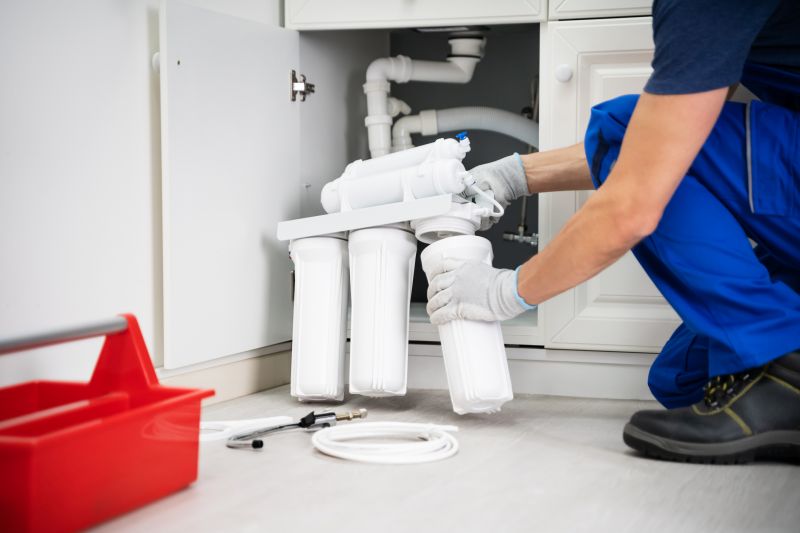
Installation Considerations
Requires proper sizing and placement to ensure effective filtration and airflow.
Carbon Filter Installation in Austin, TX

Carbon filter installation services provide a solution for homeowners seeking to improve indoor air quality by removing odors, chemicals, and pollutants from ventilation systems. These services typically involve installing specialized filters that use activated carbon to trap contaminants, making them suitable for projects such as upgrading existing HVAC systems, installing new air purification setups, or addressing specific odor issues in residential properties. Property owners often want to understand the scope of the installation process, the types of filters used, and how the system will integrate with current ventilation or air conditioning equipment.
Before requesting carbon filter installation, property owners should consider the size of the space, the nature of the odors or pollutants they wish to eliminate, and the compatibility of the filters with existing systems. It’s also helpful to inquire about maintenance requirements, such as filter replacement frequency, and whether additional ventilation adjustments are necessary for optimal performance. Clear communication about these details can ensure that the installation meets the specific needs of the home and results in improved indoor air quality.
Many property owners in Austin, TX look into Carbon Filter Installation for repairs, replacements, upgrades, and appearance-related improvements.
Common Carbon Filter Installation Jobs
Residential HVAC systems - installation of carbon filters to improve indoor air quality.
Commercial properties - upgrading existing ventilation with advanced carbon filtration solutions.
Air purifiers - integrating carbon filters into portable or built-in air cleaning units.
HVAC ductwork - installing carbon filters within duct systems for continuous air purification.
Custom filtration setups - designing tailored solutions for specific indoor air concerns.
Maintenance and replacement - scheduled service for optimal filter performance and longevity.
Carbon Filter Installation Questions
What is a carbon filter used for? A carbon filter helps remove odors, airborne pollutants, and contaminants from indoor air, improving overall air quality in homes and buildings.
Where are carbon filters typically installed? They are usually installed in HVAC systems, air purifiers, or ventilation ducts to filter the air as it circulates through a property.
How often should a carbon filter be replaced? Replacement frequency depends on usage and air quality, but generally, filters should be checked and replaced every 6 to 12 months for optimal performance.
What are common projects for carbon filter installation? Projects often include upgrading existing ventilation systems, improving indoor air quality in kitchens or basements, and installing filters in new construction properties.
Request Carbon Filter Installation in Austin, TX
Use the quote form on this page to share the basics of your project and request more information for the type of work you need.